What is Xylocaine Jelly?
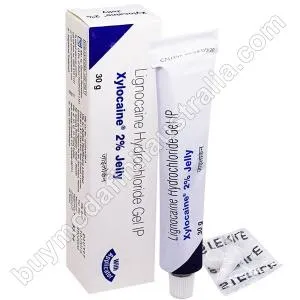
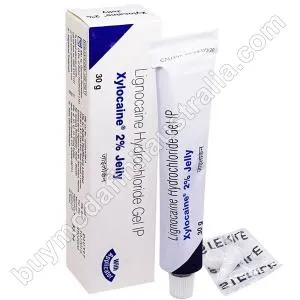
Xylocaine Jelly is essentially a form of Lidocaine Jelly, which means it contains lidocaine as its active ingredient. This makes it highly effective as a local anesthetic, helping to numb specific areas of the body quickly. Because it works directly on nerve endings, Lidocaine Jelly provides fast and targeted relief, making it a preferred choice for both medical procedures and minor pain management.
Unlike tablets or injections that work systemically, Xylocaine Jelly is applied directly to the skin or mucous membranes. What makes it unique is its jelly-like consistency, which not only numbs the area but also provides lubrication. This dual function makes it especially useful in medical settings where both comfort and smooth instrument insertion are required.
How Xylocaine Jelly Works
Let’s break it down in simple terms. Your body communicates pain through electrical signals traveling along nerves to the brain. Xylocaine Jelly interrupts this process. It essentially blocks the sodium channels in nerve cells, preventing the transmission of pain signals.
Once applied, it starts working within 3 to 5 minutes, creating a localized numbing effect. That’s why doctors rely on it for quick procedures where immediate relief is necessary. The effect typically lasts for a short period, usually around 20–30 minutes depending on the dose and application site.
Imagine switching off a light before it reaches the bulb—that’s exactly how it works with pain signals. The signal never reaches the brain, so you don’t feel discomfort.
Uses of Xylocaine Jelly
Xylocaine Jelly uses mainly involve providing quick, localized pain relief. It is commonly used during medical procedures such as catheter insertion, endoscopy, and intubation to numb sensitive areas and reduce discomfort. Its lubricating property also helps instruments move smoothly.
In addition, Xylocaine Jelly uses include relieving minor pain from cuts, burns, insect bites, and skin irritation. It may also be used on mucous membranes to ease discomfort. Overall, it offers fast, targeted relief when used as directed.
Dosage and Administration
Recommended Dosage
Xylocaine Jelly dosage varies depending on the procedure and patient condition. For example:
- Men (urethral procedures): Up to 30 mL total dose
- Women: Typically 3–5 mL
- General use: Minimum effective dose is recommended
Doctors always aim for the lowest effective dose to minimize risks.
Overuse can lead to serious side effects because lidocaine can be absorbed into the bloodstream. That’s why medical supervision is often necessary for higher doses.
How to Apply Safely
Using Xylocaine Jelly safely is crucial. Here’s what you should keep in mind:
- Apply only to the affected area
- Wash hands before and after use
- Avoid contact with eyes
- Do not swallow
- Follow your doctor’s instructions strictly
It’s not meant for frequent or casual use. Think of it as a specialized tool rather than an everyday product.
Benefits of Xylocaine Jelly
Fast-Acting Relief
One of the biggest advantages is speed. Within minutes, the area becomes numb, allowing procedures to proceed without delay. This rapid onset is especially valuable in emergency or time-sensitive situations.
Multi-Purpose Use
From hospitals to home care, Xylocaine Jelly 2% serves multiple purposes. It’s used in:
- Surgery preparation
- Pain relief
- Diagnostic procedures
- Minor injuries
Its versatility makes it a staple in medical practice.
Side Effects of Xylocaine Jelly
Common Side Effects
Most people tolerate it well, but some mild effects can occur:
- Redness or irritation
- Mild burning sensation
- Temporary numbness beyond the target area
These effects usually disappear quickly.
Serious Reactions
In rare cases, more severe reactions may occur:
- Dizziness or drowsiness
- Slow heart rate
- Difficulty breathing
- Allergic reactions
High doses can affect the cardiovascular system, potentially leading to serious complications.
If you notice unusual symptoms, immediate medical attention is essential.
Precautions and Warnings
Who Should Avoid It
Certain individuals should use caution:
- People allergic to lidocaine
- Patients with severe heart conditions
- Those with liver disease
- Pregnant or breastfeeding women (consult a doctor)
Medical history plays a huge role in determining safety.
Drug Interactions
Xylocaine Jelly 2% can interact with other medications, especially those affecting the heart or liver. Always inform your doctor about any drugs you’re taking.
Conclusion
Xylocaine Jelly is a powerful and reliable solution for managing localized pain. Its ability to provide quick numbing relief while also acting as a lubricant makes it highly valuable in medical settings. From easing discomfort during procedures to helping with minor irritations, it plays a crucial role in modern healthcare.
Understanding how it works, how to use it safely, and what precautions to take can make a significant difference in its effectiveness. While it offers many benefits, responsible use is key to avoiding risks. When used correctly, Xylocaine Jelly delivers comfort, convenience, and confidence in pain management.
FAQ
1. What is Xylocaine Jelly used for?
It is used to numb specific areas of the body to relieve pain or discomfort during medical procedures, minor skin conditions, or irritation of mucous membranes.
2.How many times a day can I apply Xylocaine jelly?
Usually 2–3 times a day, or as directed by a doctor. Avoid overuse.
3.Is Xylocaine 2 jelly used for piles?
Yes, it can be used to relieve pain and discomfort associated with piles . It works by numbing the affected area, providing temporary relief from itching and irritation. However, it does not treat the underlying condition, so medical advice is recommended for proper treatment.
4. Can it be applied on open wounds?
It may be used in certain cases, but always consult a healthcare professional first.
5. What should I do in case of overdose or excessive use?
Seek medical help immediately if you experience symptoms like dizziness, confusion, irregular heartbeat, or seizures.
6.Where can I buy Xylocaine Jelly?
You can buy Xylocaine Jelly from licensed pharmacies or trusted online platforms like Buymodafinilaustralia. It is a prescription medicine, so you’ll need a valid doctor’s prescription to purchase it legally

Leave A Review