
Modalert and Anxiety: Understanding Their Connection and Effects
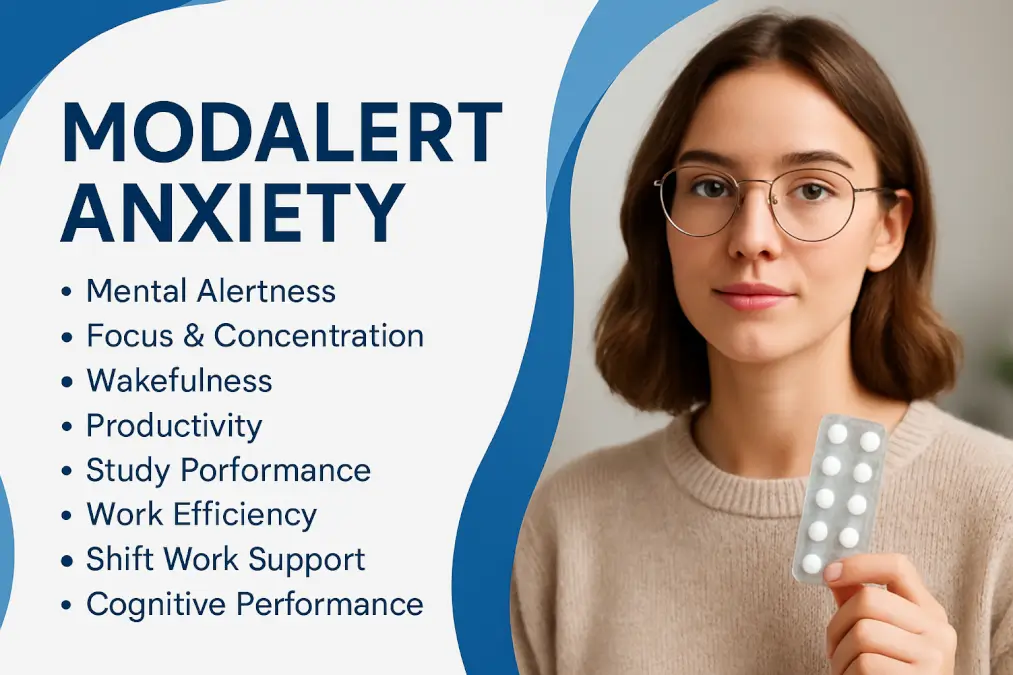
Introduction to Modalert and Anxiety
If you’ve heard about Modalert and anxiety in the same breath, you’re not alone. Modalert, a popular brand of modafinil, is primarily known as a wakefulness-promoting agent commonly prescribed for sleep disorders like narcolepsy. However, its influence on anxiety levels is a subject of growing interest, especially in Australia where mental health is a pressing priority. This article aims to shed light on how Modalert interacts with anxiety, what users and healthcare providers need to know, and the science behind its effects.
What is Modalert?
Modalert contains the active ingredient modafinil, which is a eugeroic—a medication that promotes wakefulness. It is often prescribed for conditions such as narcolepsy, shift work sleep disorder, and obstructive sleep apnea. Modalert works by stimulating parts of the brain that regulate the sleep-wake cycle, helping users stay alert and focused during the day.
But beyond its primary uses, some individuals have turned to Modalert off-label to combat mental fatigue and improve cognitive function. This has led to questions around how it influences emotional states, including anxiety.
Understanding Anxiety
Anxiety is a natural response to stress, but when it becomes excessive or chronic, it can interfere with daily life. Symptoms include persistent worry, restlessness, and sometimes physical symptoms like increased heart rate or muscle tension. Anxiety disorders affect a significant proportion of people worldwide, including many Australians.
Considering how widespread anxiety is, any medication impacting brain activity naturally attracts attention regarding its effects on anxiety symptoms.
When considering Modalert anxiety, it can sometimes be difficult to determine whether symptoms are caused by an existing anxiety condition, the medication, lack of sleep, caffeine, or another factor.
Modalert’s Impact on Anxiety: What Science Says
The relationship between Modalert and anxiety is complex and not fully understood. Since Modalert is a stimulant, it can sometimes exacerbate anxiety symptoms in sensitive individuals. Increased alertness might lead to heightened nervousness or restlessness in some.
Nevertheless, research points to a nuanced picture. For some, Modalert may not necessarily worsen anxiety and could even help by improving mental clarity and reducing fatigue-related mood disturbances. However, clinical evidence specific to Modalert anxiety interactions is limited, making personal experiences and medical advice crucial.
Potential for Anxiety Aggravation
Modalert can increase certain neurotransmitters like dopamine, norepinephrine, and histamine that promote alertness. This stimulation might cause or worsen anxiety symptoms in predisposed individuals. Common side effects reported include jitteriness, nervousness, and increased heart rate, which mimic anxiety sensations.
Possible Anxiety Relief Aspects
On the flip side, some users report that by combating fatigue and enhancing concentration, Modalert helps reduce stress levels indirectly. Feeling more awake and focused can alleviate frustration and overwhelm, which contribute to anxiety.
Clinical Considerations and Safety
Anyone considering Modalert, especially those with pre-existing anxiety disorders, should approach the drug cautiously. Here in Australia, it’s crucial to consult with a healthcare professional before using Modalert for any purpose. This ensures monitoring for adverse effects and proper management of both anxiety and the underlying condition requiring modafinil.
Doctors typically start with low doses and adjust according to tolerance and response. They also evaluate the patient’s mental health history to avoid triggering or worsening anxiety.
Common Side Effects Related to Anxiety
- Restlessness or agitation
- Increased heart rate
- Insomnia or trouble sleeping
- Nervousness or jitteriness
- Headaches
While these side effects may resemble anxiety, distinguishing between medication effects and anxiety symptoms is important for proper treatment.
Tips for Managing Anxiety While on Modalert
If you’re prescribed Modalert and notice anxiety symptoms, there are strategies to manage them effectively:
- Consult your doctor immediately. Communication helps tailor your treatment and address concerns promptly.
- Start with the lowest effective dose. Minimising dosage can reduce side effects including anxiety-related ones.
- Avoid caffeine and other stimulants. Combining them with Modalert can amplify jitteriness and nervousness.
- Practice relaxation techniques. Mindfulness, breathing exercises, or gentle yoga can help soothe nerves.
- Maintain a regular sleep schedule. Good sleep hygiene supports mental well-being and reduces stress.
Modalert, Anxiety, and Cognitive Benefits: What to Expect
Modalert has gained popularity for its cognitive-enhancing properties. Users often report improved alertness, better focus, and heightened mental stamina. But these benefits come with a caveat when anxiety enters the picture.
If anxiety symptoms become pronounced, cognitive gains might be overshadowed by discomfort or distraction. This is why balancing benefits and risks is essential, particularly for those managing anxiety disorders.
Modalert and Anxiety: Final Thoughts
While Modalert is effective at promoting wakefulness and has cognitive-enhancing effects, its role in managing or impacting anxiety is not crystal clear. Some individuals may experience an increase in anxiety symptoms, while others might find indirect relief from mental fatigue-related stress.
Given the varied responses, it’s crucial to use Modalert under medical supervision, particularly in Australia where healthcare access supports informed medication use. If anxiety is a concern, discuss alternatives or additional therapies with your clinician.
At the end of the day, understanding how Modalert interacts with anxiety can empower users to make informed decisions about their treatment and mental health.