
Modalert and Depression: Understanding Its Role and Impact
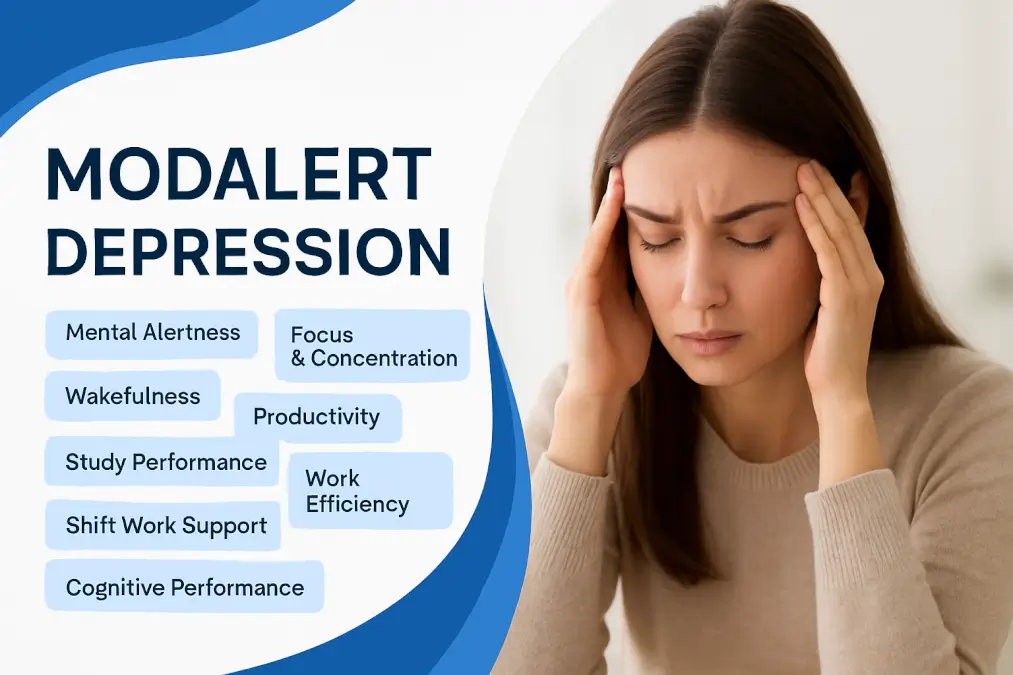
Understanding Modalert and Its Use in Depression
Depression is a complex mental health condition affecting millions worldwide, including many in Australia. People often search for effective treatments that can enhance their quality of life. Among various options, Modalert has drawn attention in discussions about managing certain symptoms related to depression. In this article, we’ll explore what modalert depression treatment involves, its potential benefits, limitations, and how it fits into broader depression care.
What Is Modalert?
Modalert is a brand name for the drug modafinil, primarily prescribed to treat disorders like narcolepsy, shift work sleep disorder, and excessive daytime sleepiness linked to conditions such as obstructive sleep apnea. Although not officially approved as a treatment for depression, modalert has been explored off-label due to its unique wakefulness-promoting effects.
How Modalert Works
Modafinil influences chemicals in the brain involved in regulating wakefulness and attention. It stimulates certain areas to increase alertness, concentration, and energy levels, which can be particularly helpful for individuals struggling with fatigue, a common symptom in depression.
Modalert vs Traditional Antidepressants
While traditional antidepressants target neurotransmitters that regulate mood, modalert focuses more on enhancing wakefulness and cognitive function. It may be used alongside standard antidepressants, but it is not a substitute for them.
Modalert, on the other hand, is primarily a wakefulness-promoting medication. Therefore, Modalert depression is generally considered an adjunctive approach rather than a substitute for antidepressant medication or psychotherapy.
The Connection Between Modalert and Depression
Addressing depression often requires a multifaceted approach. Fatigue, brain fog, and reduced motivation can make everyday tasks challenging. Here, modalert’s ability to boost alertness might provide supplementary support.
Research indicates that modalert may help alleviate some depressive symptoms by improving concentration and reducing tiredness, potentially allowing individuals to engage more actively in therapy or daily activities. However, it’s crucial to emphasize that modalert is not a cure for depression itself.
Clinical Evidence
Some clinical studies have examined modafinil’s adjunct use with antidepressants. These studies suggest it might accelerate the improvement of symptoms like fatigue and cognitive impairment in patients with depression. Still, results vary, and more comprehensive research is needed to firmly establish its effectiveness and safety in this context.
Who Might Benefit from Modalert in Managing Depression?
Modalert may be considered for individuals who experience persistent fatigue and cognitive difficulties despite ongoing depression treatment. It can be particularly relevant for those whose depression results in excessive daytime sleepiness interfering with daily functioning.
But, it’s essential to consult healthcare professionals before starting modalert. A careful assessment ensures that it suits the individual’s health profile and treatment goals.
Important Considerations
- Modalert is not approved specifically for depression treatment by Australian regulatory authorities.
- It should only be used under strict medical supervision, especially when combined with other medications.
- Patients must report any side effects or unexpected reactions promptly.
Potential Side Effects and Risks
Like any medication, modalert comes with potential side effects. Some users may experience headaches, nausea, dizziness, or insomnia. In rare cases, more severe reactions can occur.
For people with certain health conditions or who are pregnant or breastfeeding, modalert may not be suitable. That’s why personalized medical advice is indispensable.
This is another reason why Modalert depression treatment should be considered with professional medical advice, particularly when the medication is being combined with antidepressants or other prescription medicines.
Modalert and Lifestyle: Complementing Depression Treatment
While modalert may help with specific symptoms, it is not a standalone solution. Managing depression effectively often involves therapy, lifestyle changes, and sometimes medication tailored to mood regulation.
Incorporating healthy habits—like regular exercise, balanced nutrition, social support, and sufficient sleep—is vital. Modalert might serve as an aid in this holistic process, but relying solely on medication overlooks the broader needs each person has.
Even if Modalert depression treatment helps improve daytime alertness or fatigue, addressing the broader symptoms and causes of depression remains important.
Consulting Specialists
Anyone considering Modalert depression should discuss the option with a qualified healthcare professional. A clinician can assess whether persistent fatigue or sleepiness is related to depression, another medical condition, medication side effects, or a sleep disorder.
Professional guidance is particularly important when modafinil is being considered alongside antidepressants or other medications.
Final Thoughts on Modalert Depression Treatment
Understanding modalert depression treatment requires a balanced perspective. While modalert tablet presents promising benefits in easing fatigue and cognitive symptoms related to depression, it is not a replacement for comprehensive mental health care. Anyone considering modalert should do so with thorough medical advice and an awareness of its limitations.
Depression is a journey, and treatments are most effective when personalized, multifaceted, and carefully supervised. With the right approach, managing symptoms can become more achievable, improving overall well-being.